Last weekend I tried to stream a new indie title on my modest laptop while the kids were watching cartoons. Within ten seconds the game launched, no download, no patch. I was playing at 1080p, 60 fps, and the only thing I noticed was the faint hum of the Wi‑Fi router. That moment summed up why cloud gaming feels like a cheat code for British households: instant access without the hardware headache.
Bandwidth Beats the Box
The UK’s average broadband speed hit 120 Mbps in 2024, according to Ofcom. That figure translates to roughly 15 GB of data per hour at 1080p streaming quality. Services such as Xbox Cloud Gaming and PlayStation Plus Premium cap their streams at 1080p for most titles, meaning a typical evening session uses about 6 GB. For families with fibre, the cost of upgrading a console is quickly eclipsed by a modest increase in monthly broadband spend.
Hardware Costs Get a Reality Check
Buying a next‑gen console still runs around £450, plus the occasional controller upgrade. A high‑end gaming PC can top £1,200. By contrast, a cloud gaming subscription starts at £9.99 per month. Over a year, that’s a saving of £400‑£1,200 depending on the platform you’d otherwise need. The price drop isn’t just for the affluent; it opens the market to students and retirees who once thought gaming was out of reach.
Content Libraries Expand Faster Than Shelves
Traditional retailers restock physical discs every few weeks. Cloud services refresh their catalog weekly, adding titles from indie studios in Manchester to blockbuster releases from Tokyo. As of March 2024, PlayStation Plus Premium offered over 700 games, while Xbox Cloud Gaming listed more than 600. The sheer volume means a user can binge‑play a new game every night without worrying about storage space.
Cross‑Device Play Is No Longer a Gimmick
My sister streamed the same game on her Android tablet while I used a smart TV in the kitchen. The session synced instantly, thanks to the cloud’s centralised save system. Even older devices like the 2015 iPad can handle 720p streams, making gaming accessible on equipment that would otherwise be obsolete.
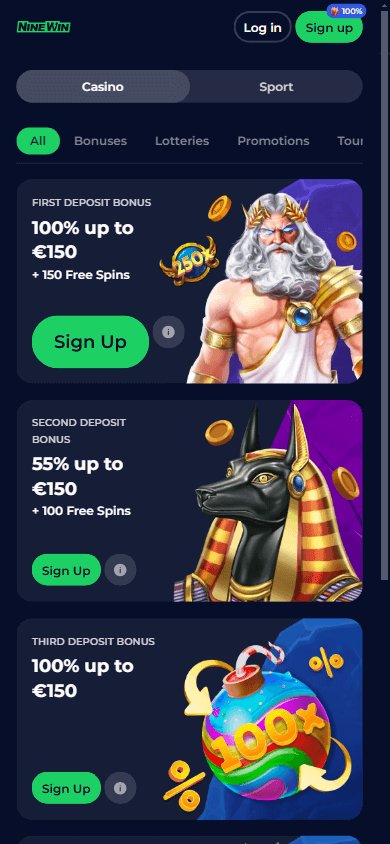
If you’re looking for a place to try your luck online, check out ninewin for a seamless casino experience.
Bridging to Online Gaming and Entertainment
While cloud gaming reshapes how we play, it also nudges us toward broader online entertainment ecosystems. Platforms that host live tournaments, interactive streams, and community events often share the same infrastructure. For instance, the site ninewin showcases how streaming technology can support both gaming and live‑hosted experiences, blurring the line between passive watching and active participation.
Challenges Still Hover in the Sky
The biggest hurdle remains latency. Even with 5G rollouts, rural areas can see ping spikes above 80 ms, which is noticeable in fast‑paced shooters. Moreover, data caps on some broadband plans (often 500 GB per month) can be breached after just three or four hours of high‑quality streaming. Those on limited budgets may still need a traditional console for offline play.
What the Future Holds for UK Entertainment
Looking ahead, 8K streaming is on the horizon, but it will demand gigabit‑plus connections—still a minority in the UK. Meanwhile, hybrid models are emerging: a modest console for offline titles paired with a cloud subscription for the latest releases. This mix could become the standard household setup by 2027.
In short, cloud gaming is turning the UK’s living rooms into on‑demand entertainment hubs. It cuts cost, expands choice, and unshackles devices, even if patchy internet and data limits keep a foot on the ground. The next few years will decide whether the cloud becomes the main stage or just a supporting act in our digital lives.
Frequently Asked Questions
How does cloud gaming work?
Cloud gaming streams gameplay from remote servers to your device, sending only the video and receiving input commands, so you need a fast internet connection instead of a powerful PC.
Is UK broadband fast enough for cloud gaming?
Yes, with average speeds around 120 Mbps, most UK households can enjoy 1080p, 60 fps titles, but lower speeds might cause lag.
Do I need a special controller or can I use my keyboard?
You can use a compatible controller or even a keyboard/mouse, but a controller offers a smoother experience for most games.