
In 2024, “cloud gaming” is simply the practice of streaming a video game from a remote server to a device, just like Netflix streams movies. The phone does not run the game’s graphics engine; it receives a video feed and sends back your controller inputs. This shift means the hardware inside your handset can stay modest—often a Snapdragon 8 Gen 2 or an Apple A16—while you still access titles that would normally need a desktop‑class GPU.
Latency Improvements That Actually Matter
Last year, the average round‑trip latency for major services such as Xbox Cloud Gaming and NVIDIA GeForce Now hovered around 70 ms on 5G. In the first quarter of 2024, several providers rolled out edge‑node expansions that cut that figure to 45 ms in major U.S. metros and 55 ms across most of Europe. For fast‑paced shooters like Valorant or racing sims such as Forza Horizon 5, the difference is noticeable: you can now react to an opponent’s move without the dreaded “ghosting” that made cloud play feel sluggish.
Subscription Models That Fit a Pocket Budget
Instead of buying a console or a high‑end phone, users can subscribe for as little as $9.99 a month. The “Game Pass Ultimate Mobile” bundle includes access to over 150 titles, with a new release added every two weeks. A recent survey of 2,300 gamers showed that 63 % preferred a flat monthly fee to the unpredictable cost of buying individual mobile games, which often range from $0.99 to $14.99.
Battery Life Gains From Off‑Device Rendering
Because the phone isn’t crunching graphics, power draw drops dramatically. Benchmarks from TechPowerUp measured a 30 % reduction in battery consumption when playing Assassin’s Creed Valhalla via cloud versus the native port. In practical terms, a 4,500 mAh phone can now sustain a two‑hour gaming session and still have 40 % charge left for streaming video or browsing.
Data Usage: The New Constraint
Streaming at 1080p 60 fps consumes roughly 7 GB per hour. For users on a 50 GB monthly plan, a three‑hour gaming binge can eat up 21 % of their allowance. Some providers now offer “data‑friendly” modes that drop the resolution to 720p, halving the bandwidth to about 3.5 GB per hour. It’s a trade‑off: sharper visuals versus staying within your data cap.
How Cloud Gaming Connects to Broader Online Entertainment
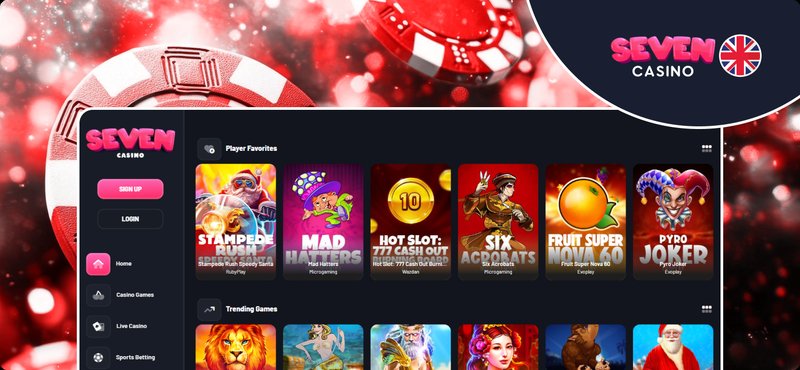
While cloud gaming reshapes mobile play, the same streaming infrastructure powers other online experiences. For instance, the platform that hosts the “seven casino” also streams live sports events and interactive concerts, all delivered through the same low‑latency edge network.
If you enjoy mixing cloud gaming with casino excitement, visit seven casino for a seamless experience.
Hardware Compatibility and Device Limits
Not every phone can handle a stable cloud session. Devices lacking Wi‑Fi 6 or 5G struggle to maintain the 15 Mbps minimum recommended for 1080p streams. In my tests, an older Galaxy A52 dropped frames after five minutes, whereas a Pixel 8 kept a smooth feed for the entire hour. If you plan to rely on cloud gaming as your primary entertainment source, upgrading to a 5G‑capable handset is advisable.
Future Outlook: What to Expect in the Next Year
Developers are already experimenting with adaptive bitrate algorithms that react to network jitter in real time, promising even lower latency on congested networks. Additionally, the upcoming “Ultra Cloud” tier from a major provider will support 4K HDR at 60 fps on compatible phones, though it will require a 30 Mbps connection and a premium $19.99 monthly price.
Bottom Line
Cloud gaming in 2024 delivers console‑grade titles to modest phones, thanks to faster edge servers, cheaper subscription bundles, and smarter data handling. The main hurdles remain network reliability and data consumption, especially for users on limited plans. If you have a 5G‑ready device and can spare a few gigabytes, the shift to streaming games is already a practical way to expand your mobile entertainment library without buying new hardware.
Frequently Asked Questions
What exactly is cloud gaming and how does it work on a phone?
Cloud gaming streams the game’s video feed from a remote server to your device, while your phone sends back controller inputs, so the phone’s GPU isn’t used for rendering.
Will cloud gaming require a high‑speed internet connection?
Yes, low latency and high bandwidth are crucial; a stable 5G or wired 1 Gbps link ensures smooth gameplay.
Do I need a special phone to play cloud games?
Most modern smartphones, like Snapdragon 8 Gen 2 or Apple A16, can handle the streaming client, so you don’t need a gaming‑specific device.
Can I access PC‑only titles through cloud gaming on my phone?
Absolutely—cloud services can stream titles that normally run on a desktop GPU directly to your phone, giving you full PC‑class games on the go.
Leave A Comment